Faster document review
Compress contract review, diligence, and eDiscovery cycles by 50 to 80 percent, freeing associates and contract attorneys to focus on judgment-heavy work that clients actually pay for.
Xpiderz is a senior legal AI development company helping law firms, in-house teams, and legaltech vendors ship contract analysis and redlining systems, legal research and memo drafting assistants, document review and eDiscovery pipelines, and case and matter automation, built on your privileged data, tuned to your jurisdictions and citators, and engineered for confidentiality, defensibility, and measurable billable outcomes.
Law firms and legal departments are under unrelenting pressure to compress review timelines, defend alternative fee arrangements, and adopt AI without exposing privileged data or producing hallucinated citations. Generic chat tools cannot meet the bar: they fabricate authorities, ignore jurisdictional rules, and route confidential content through training pipelines firms cannot audit. We close that gap with senior-led legal AI development services engineered for confidentiality, citation accuracy, and defensible audit trails. Our teams design contract intelligence systems, legal research and memo-drafting copilots, document review and eDiscovery pipelines, and matter automation that respect attorney-client privilege, integrate with iManage, NetDocuments, Relativity, and your PMS, and produce verifiable outputs your partners and clients can rely on.
As a senior legal AI development company, we draw on deep expertise across legal NLP, retrieval over case law and statutes, contract analytics, and eDiscovery engineering to build production-grade systems that protect privilege, cite accurately, and deliver measurable hours saved across every practice group.
End-to-end contract analysis, redlining, and clause comparison built on legal-tuned language models and your firm's precedent bank. We extract obligations, surface non-standard language, score risk against playbooks, and produce defensible suggested edits that align with partner standards.
Legal Research and Memo Drafting
Retrieval-grounded research copilots that surface on-point authority, draft memos and briefs against your house style, and ship every assertion with a verifiable citation back to the underlying case, statute, or filing.
Due Diligence Automation
Accelerate M&A and investment diligence with AI that categorizes, summarizes, and flags risk across virtual data rooms, cutting review timelines from weeks to days without sacrificing partner sign-off.
Regulatory Compliance Monitoring
Continuously scan regulatory updates across jurisdictions and map changes to your contracts, policies, and obligations, alerting compliance and matter teams before deadlines or filings slip.
Matter and Client Intake
Intelligent intake that captures matter facts, runs conflicts and KYC checks, classifies the matter type, and routes work to the right partner with privilege-safe context preserved end-to-end.
Document review and eDiscovery pipelines that triage, code, and privilege-tag millions of documents against your protocols. We integrate with Relativity, Everlaw, and Reveal, defend predictive coding choices, and produce reviewer-ready outputs with clear audit trails.
Our legal AI process is engineered for defensible delivery, moving from practice audit to live production through six structured stages tuned for privilege, citation accuracy, and matter-grade outcomes.
Why law firms and legal departments invest in custom legal AI, and the measurable outcomes Xpiderz delivers across contracts, research, litigation, and compliance.
Compress contract review, diligence, and eDiscovery cycles by 50 to 80 percent, freeing associates and contract attorneys to focus on judgment-heavy work that clients actually pay for.
Eliminate write-offs from rework and over-staffed reviews. Standardize quality across associates and contract reviewers, so realized rates climb without burning out the team.
Every assertion is grounded in retrieved authority and verified before delivery, so memos, briefs, and client advice carry citations that hold up in front of partners, courts, and regulators.
Every prompt, retrieval, edit, and reviewer decision is logged in a tamper-evident audit trail, ready for partner sign-off, court production, or regulator inspection.
Privilege and confidentiality are engineered from day one. Tenant-isolated deployments, customer-managed keys, ethical walls, and no third-party training keep privileged content under your control.
Turn legal expertise into productized AI offerings, from fixed-fee contract reviews to subscription compliance dashboards, opening a new revenue line beyond the billable hour.
Senior engineers, production proof, and zero lock-in. Every legal AI system we ship is engineered for privilege, citation accuracy, and matter-grade outcomes from day one.
We build on real legal AI research, retrieval, citation validation, and human-in-the-loop review, not generic chat wrappers. Every architecture is tuned to your jurisdictions, house style, and partner sign-off standards so it holds up under firm-wide use.
Across contract AI, research copilots, e-discovery, and compliance, every system shipped with tracked accuracy, audited citations, and observable hours saved.
Built on the same retrieval and review stack as the final product, so there is no rewrite from pilot to firm-wide rollout.
We embed AI into your DMS, e-discovery, and research stack with secure connectors and matter-level access controls.
Tenant-isolated deployments, customer-managed keys, ethical walls, and audit trails aligned with ABA Model Rules, GDPR, SOC 2, and ISO 27001.
You own the models, prompts, and matter-derived insights, with no per-seat licensing, no vendor lock-in, and no third-party training on your privileged data.
From AmLaw firms to in-house teams, we ship privilege-aware AI systems that resolve real legal workflows across contracts, litigation, compliance, and IP.
Firm-wide AI for document review, drafting copilots, and knowledge management tuned to partner standards, matter volume, and write-off discipline.
Partner-led contract AI, research copilots, and client intake systems that let lean boutiques punch above their weight against larger competitors.
Contract review, compliance monitoring, and self-service legal copilots that cut outside counsel spend and accelerate business velocity.
E-discovery, deposition summarization, and brief drafting copilots that compress trial-team workload while improving thematic consistency.
Due diligence AI, data room AI, and redlining systems that compress deal timelines without sacrificing partner-grade quality control.
Reg-tech monitoring, policy AI, and audit automation that keep compliance, ethics, and risk teams ahead of new rules across jurisdictions.
Prior art search, claim drafting, and portfolio AI that help IP groups respond to office actions and infringement questions in a fraction of the time.
Triage bots, document automation, and smart contract engines that power legal tech platforms and marketplaces with embedded AI workflows.
Let's scope your legal AI initiative and identify the fastest defensible path from pilot to firm-wide deployment.
Schedule a CallMulti-tenant AI voice-calling platform automating seller prospecting for Australian real-estate agencies.
AI-powered marketing analytics platform that reduced reporting time by 90% and doubled client capacity.
Full-spectrum market intelligence platform monitoring competitive signals across six data dimensions.
AI-powered personal research assistant for Master's and PhD students.
Conversational AI solution automating customer engagement through WhatsApp in the UAE market.
AI-powered legal consultation platform democratizing access to affordable legal guidance.
The world's first AI platform for legislative drafting and policy research.
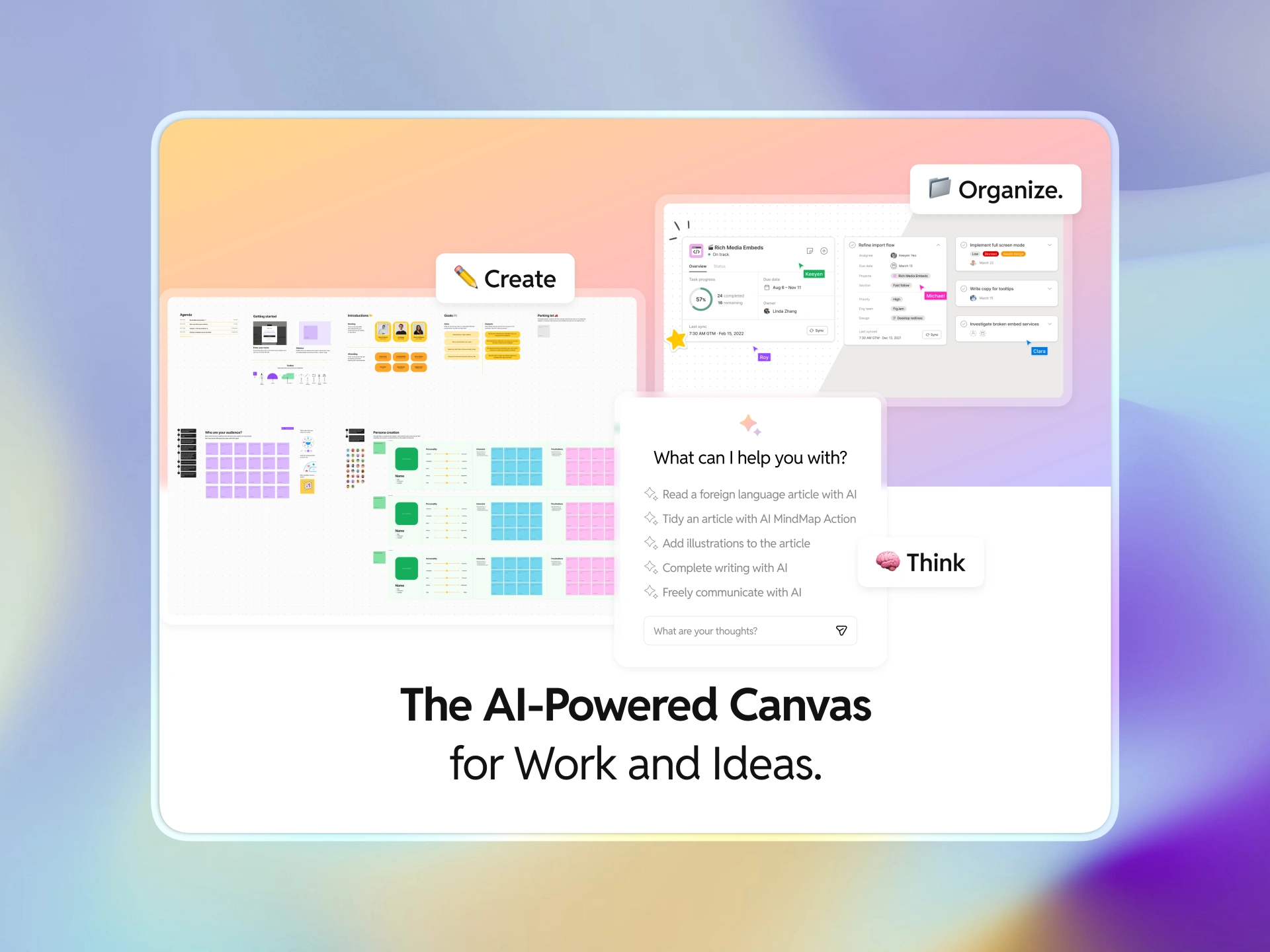
Product marketing deck for YaseenAI's Hive — the AI-powered canvas for work and ideas.

AI support assistant answering dealer install questions in seconds, trained on manuals and years of real tickets.
Clear answers on scope, cost, confidentiality, and how production-grade legal AI development services actually work.
Legal AI development engineers systems that read contracts, retrieve case law, draft memos, review documents, and automate matter workflows under privilege and citation discipline. It matters because review-time pressure, alternative fee arrangements, and client demand for productized work now require defensible AI built specifically for legal, not repurposed chat tools.
It depends on stakes and confidentiality. Generic chat tools can sketch a memo, but they hallucinate citations, ignore jurisdiction, and route privileged content through training pipelines you cannot audit. Purpose-built legal AI grounds every answer in verified authority, runs in tenant-isolated infrastructure, and produces audit trails that survive partner and court scrutiny.
Yes, we integrate with iManage, NetDocuments, SharePoint, and major PMS platforms including Aderant, Elite 3E, and Clio via supported APIs, webhooks, and middleware. We preserve matter-level access controls, ethical walls, SSO, and audit logging without disrupting existing workflows.
No, a production legal AI deployment does not need a runaway budget. Practice-area pilots typically start at $25K, and firm-wide platforms scale to $250K+, scoped to matter volume, integrations, jurisdictions, and confidentiality requirements. Every proposal is fixed-fee with no surprise burn.
Working prototypes ship in 3 to 5 weeks. Firm-wide or department-wide deployments reach production within a single quarter, with weekly partner demos against working software and a real go-live date committed during scoping.
Yes, our legal AI is engineered for confidentiality and attorney-client privilege from day one. We deploy in tenant-isolated environments, support customer-managed keys, enforce ethical walls and matter-level access, and contractually prohibit any third-party training on your data.
Every deployment is instrumented from day one with KPIs like hours saved per matter, review throughput, citation accuracy, reviewer agreement, write-off reduction, and AFA margin. ROI is visible in dashboards your CFO, COO, and partner committee can audit, not anecdotal claims.
Yes, you own everything we build, including fine-tuned models, prompts, playbooks, retrieval indexes, evaluation suites, and infrastructure templates. No vendor lock-in and no per-attorney licensing on the work we deliver.
We connect to Westlaw, LexisNexis, Bloomberg Law, Fastcase, vLex, Casetext, PACER, EDGAR, court dockets, and your internal precedent and brief banks, subject to your existing licenses. Citation validators run against the citator of record so every output is verifiable.
Book a free discovery call to align on practice areas, matter goals, and privilege constraints. You receive a fixed-fee proposal within 48 hours, and a senior engineering pod kicks off within one to two weeks. No account-manager handoffs and no offshore subcontracting on privileged work.