Open all night
Claims do not happen 9 to 5. A burst pipe at 2 a.m. gets reported at 2 a.m., and the policyholder hears back right away. No hiring, no shifts, no schedule headaches.
Conversational AI in insurance means a claims question at midnight gets a real answer at midnight. We build assistants that know your policies, answer from your own documents, and know when to bring in a human.
Conversational AI in insurance is software that talks with policyholders the way a good service rep would. Someone types in a claim question at any hour, and the assistant reads it, pulls the right answer from your policy data, and replies in plain language. It takes first notice of loss, checks claim status, explains what a policy covers, and starts quotes. What it never does is decide a claim or promise coverage. Those calls go to your people, with the full conversation attached. We build these systems end to end as part of our conversational AI services. The understanding, the answers, the channels, the handoffs, and the tuning after launch. It is why conversational AI in the insurance industry has moved from pilot projects to real production. Customers get answers in seconds, and your team stops burning days on the same twenty questions.
A few parts working together. The assistant understands the question, keeps track of the conversation, pulls answers from your own policy data, and knows exactly when to pass a case to a human. Get those parts right and service stops being a hold queue and starts being a conversation.
The assistant gets what people are saying, even mid-crisis. Someone typing about a crash does not use clean insurance terms. It picks out the policy number, the incident, and what the person needs, and it keeps up when they ramble, misspell, or switch languages.
Multi-Channel Deployment
One assistant, everywhere. Your website, your app, WhatsApp, SMS, and your phone lines. A claim started on chat carries on over the phone without starting over.
Context Management
The assistant remembers the policy, the claim, and what was said earlier. It does not make a stressed policyholder repeat their story ten minutes into the chat.
Knowledge Base Integration
Connects to your policy wording, underwriting guides, and claims manuals. Answers come from your documents, not invented.
Human Agent Handoff
Anything close to a coverage decision goes to a person. The assistant hands over the full transcript and the claim record, so your adjuster starts with the whole story.
Dashboards. Which questions spike after a storm, where people drop off, what confuses them about your policies. You look at it and you know what to fix.
We take you from a first look at your service and claims data all the way to a live, tuned assistant, in six senior-led steps, each one built to protect your policyholders, your compliance sign-off, and your team's time.
Why insurers put money into this, and what actually changes once it is live. Faster answers, lighter phone queues, happier policyholders, and a team that finally gets to work on the cases that need judgment.
Claims do not happen 9 to 5. A burst pipe at 2 a.m. gets reported at 2 a.m., and the policyholder hears back right away. No hiring, no shifts, no schedule headaches.
Half your calls are claim status, billing, and ID card requests. The assistant takes those. The rest go to your team. Usually pays for itself in about six months.
The assistant knows who it is talking to. Their policies, their open claims, what they asked last week. Every chat feels like talking to a rep who already has the file open.
When a visitor wants a quote, the assistant starts right then. It collects the details, checks they fit your appetite, and passes the warm ones to your licensed team with everything already filled in.
Audit trails, human review on decisions, and hard limits on coverage talk are in from the first day. Built with GLBA, GDPR, SOC 2, and the EU AI Act in mind, so the legal team can sleep.
Every chat tells you something. Which policy wording confuses people, why claims feel slow, what makes customers shop around at renewal. The analytics surface it so product and pricing can act on it.
Senior engineers, assistants that hold up under real claim traffic, and compliance designed in from week one. Every build answers from your own policy documents, and the code, the data, and the client stay yours.
We are a conversational AI development company that builds on real AI models, with a setup that pulls every answer straight from your own policy documents. Not the drag and drop builders that fall apart when a real claim shows up. It is all delivered as part of our conversational AI development services, shaped around your products, your brand voice, and your compliance rules, so the chats stay accurate under real traffic.
Real customers, real claims and tickets, not demos. We have shipped assistants across regulated industries and kept them running after launch.
A working prototype in two to four weeks, live within a quarter, on the same code from day one to scale. No rebuild between the pitch and the rollout.
The assistant reads your policy wording, underwriting guides, and claims manuals, and points every answer back to the source. No invented coverage.
Audit logs, human review on sensitive chats, and hard limits on coverage talk from the first day. Built with GLBA, GDPR, SOC 2, and the EU AI Act in mind, and your compliance team signs off on the flows before launch.
Your keys, your servers if you want, and OpenAI, Anthropic, Google, Mistral, or open-source models on your own boxes. Use what fits, swap when something better shows up. Everything logged for the auditors.
From first notice of loss to renewals, we ship assistants that plug into the platforms for conversational AI in insurance your policyholders and teams already use.
A policyholder reports an accident or a leak the moment it happens. The assistant collects the who, what, when, and photos, opens the claim in your system, and tells them what happens next.
Where is my claim is half your call volume. The assistant looks it up in your claims system and gives a real answer. What stage it is at, what is missing, what happens next.
What does my policy cover, what is my deductible, when do I renew. The assistant answers from your actual policy wording and points to the source. If the wording is unclear, it says so and brings in a person.
Collects the details a quote needs, runs them through your rating engine, and comes back with an indicative price in minutes. Binding stays with your licensed team, and the bot never promises coverage.
Reminds policyholders before the date, answers what changed and why, and starts the renewal right in the chat. Lapsed policies cost you money. This keeps more of them alive.
Due dates, payment plans, failed card fixes, proof of insurance documents. The stuff that fills your phone lines every day but needs no judgment call from anyone.
Your agents ask the assistant instead of digging through underwriting guides. Appetite questions, form lookups, commission queries. Answers in seconds, sourced from your own documents.
The assistant does not accuse anyone. When a report does not add up, it quietly flags the claim for your SIU team to review. Detection stays with humans, the assistant just makes sure nothing slips past.
Multi-tenant AI voice-calling platform automating seller prospecting for Australian real-estate agencies.
AI-powered marketing analytics platform that reduced reporting time by 90% and doubled client capacity.
Full-spectrum market intelligence platform monitoring competitive signals across six data dimensions.
AI-powered personal research assistant for Master's and PhD students.
Conversational AI solution automating customer engagement through WhatsApp in the UAE market.
AI-powered legal consultation platform democratizing access to affordable legal guidance.
The world's first AI platform for legislative drafting and policy research.
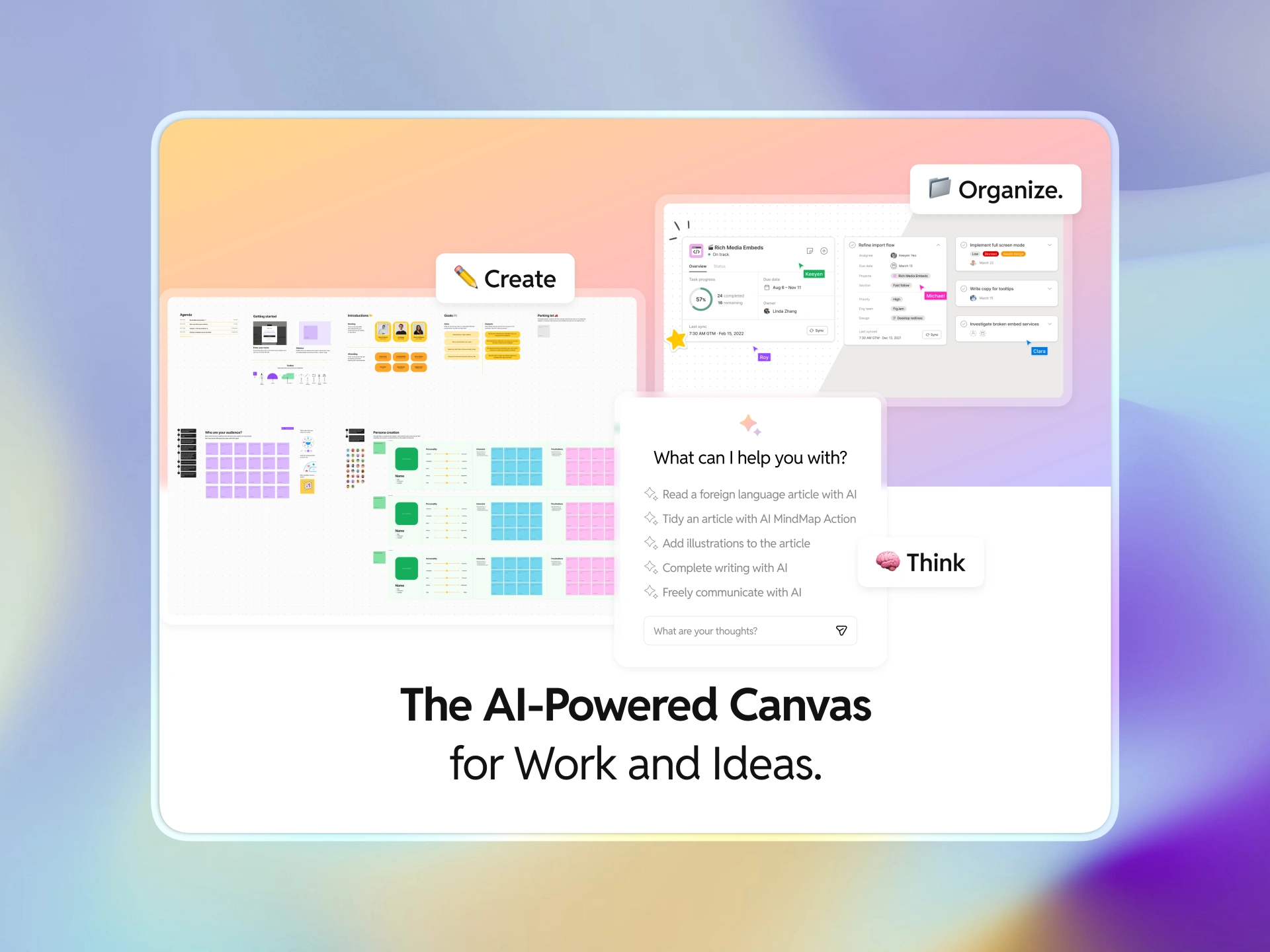
Product marketing deck for YaseenAI's Hive — the AI-powered canvas for work and ideas.

AI support assistant answering dealer install questions in seconds, trained on manuals and years of real tickets.
Tell us how your service and claims lines run today. We will map the quickest path to an assistant that takes real weight off your team.
Schedule a CallStraight answers on what it costs, what it can and cannot decide, how we keep it compliant, and what working with us actually looks like.
It is software that talks with policyholders the way a good service rep would. It reads the question, works out what the person needs, pulls the answer from your policy data, and replies in plain language. It takes claim reports, checks status, and answers coverage questions from your own wording, and it hands anything that needs a decision to a human.
No, it never makes claim or coverage decisions on its own. It collects the facts, checks status, and answers questions from approved policy wording. Anything that touches a decision, a payout, or a promise of coverage goes to a licensed human with the full record attached. That rule is built into the system, not bolted on.
Yes, it is safe when it is built for the rules from day one. That means every conversation logged and auditable, role based access, personal data handled properly, and hard limits on what the assistant may say about coverage. We build to GLBA, GDPR, SOC 2, and the EU AI Act where they apply, and your compliance team signs off on the flows before launch.
A policyholder reports the incident in chat or by phone, any hour. The assistant collects what happened, when, where, and who was involved, asks for photos, opens the claim in your claims system, and tells the person exactly what happens next. Your adjusters start the day with complete, structured claim files instead of voicemails.
Yes, it can plug into Guidewire, Duck Creek, Majesco, Salesforce, and custom or older systems through secure connections built for each one. It reads policy data, opens and updates claims, and logs every conversation where your team already works.
Yes, out of the box. English, Spanish, French, German, Arabic, and more. We tune it for each market so it handles local phrasing and the way people actually describe an accident, which is rarely in clean insurance terms.
A focused first version, say claims status and policy FAQs on one channel, is usually live in a few weeks. Builds that touch your core systems and add voice take longer. Most insurers start small, launch, and grow it once it is proving itself.
You get a senior team that has shipped assistants in regulated industries, not just demos. Compliance is designed in from the first week, the setup is not locked to one vendor, and you own the code, the prompts, and the data when we hand it over. No lock-in.