
Open all night
Questions get answered the moment they come in. Three in the morning, weekends, holidays, every time zone. No hiring, no shifts, no schedule headaches.
Xpiderz builds conversational AI for customer service teams across the US. Assistants that understand real questions, answer from your own data, hand off to humans at the right moment, and keep helping customers long after your office closes.
Conversational AI is software that talks with your customers the way a good support agent would. Not the old menu bots with five buttons and a dead end. This kind reads the whole question, understands what the person actually needs, looks up the answer in your own systems, and replies in plain language. It works over chat, email, voice, and messaging apps, and it remembers the conversation as it goes. When something needs a human, it passes the customer over with the full story attached. We build these systems end to end. The understanding, the answers, the channels, the handoffs, and the tuning after launch. The result is customer service that answers in seconds at any hour, without your team drowning in the same twenty questions.
A few parts working together. The assistant understands the question, keeps track of the conversation, pulls the answer from your own data, and shows up on whatever channel the customer picked. Get those parts right and support stops being a queue and starts being a conversation.
The assistant actually gets what people are saying. It picks up what they want, pulls out the important bits, and follows a back and forth conversation. Even when someone types badly, mixes two languages, or uses industry slang, it keeps up.
Multi-Channel Deployment
One assistant, everywhere. Your website, WhatsApp, Slack, Microsoft Teams, SMS. Customers can switch between them and the chat picks up right where it left off.
Context Management
The assistant remembers what you talked about earlier. Your name, what you asked, what you like. It does not make you repeat yourself ten minutes into the chat.
Knowledge Base Integration
Connects to your docs, wikis, CRM. Whatever you have. Answers come from your stuff, not invented.
Human Agent Handoff
If the chat gets messy, it hands off to a person. With the whole transcript. The customer does not have to repeat anything.
Dashboards. What worked, what did not, what people kept asking about. You look at it and you know what to fix.
Four steps. Learn what your customers ask. Build the assistant. Plug it into your channels and tools. Keep tuning it. Senior people do all of it. Nothing gets handed off.
First two weeks, we sit with your team and dig into your support chats, look at how customers really talk, and work out what the assistant should sound like. By the end you have a real plan. Fixed dates, brand voice on paper, and a clear target for how many chats it needs to handle.
Now we build the brain. We pick the right AI model for the job, train it on your past chats, and set up how it pulls answers from your data. We keep tuning until it is fast, cheap to run, and gets the answers right.
We plug the assistant into your CRM, your tickets, your wikis, and every channel customers use. One secure login, access controls, and full logging, all in. Nothing breaks during the switch. Before it goes live, we try to break it ourselves so the real users do not have to.
Assistants need looking after. We set up dashboards so you can see how it is doing, have humans spot check the tricky chats, and feed that back to make it smarter. As your products and customers change, the assistant keeps up.
Why support teams invest in this, and what actually changes once it is live. Faster answers, lighter queues, happier customers, and a team that finally gets to work on the hard problems.
Questions get answered the moment they come in. Three in the morning, weekends, holidays, every time zone. No hiring, no shifts, no schedule headaches.
Half your tickets are the same easy questions. The assistant takes those. The rest go to your team. Usually pays for itself in about six months.
The assistant knows who it is talking to. Their order history, what they have asked before, what kind of customer they are. It uses your CRM and product data to make every chat feel like it was made for them.
When a visitor is curious, the assistant starts the chat right then. It asks the right questions, sees if they are a real buyer, then passes the warm ones to your sales team with all the context already filled in.
Security, controls, and audit trails are in from the first day. Built for HIPAA, GDPR, GLBA, SOC 2, and the EU AI Act, so the legal team can sleep.
Every chat tells you something. What is broken, what they wish you had, what they think your price is too high for. The analytics surface it so product and marketing can act on it.
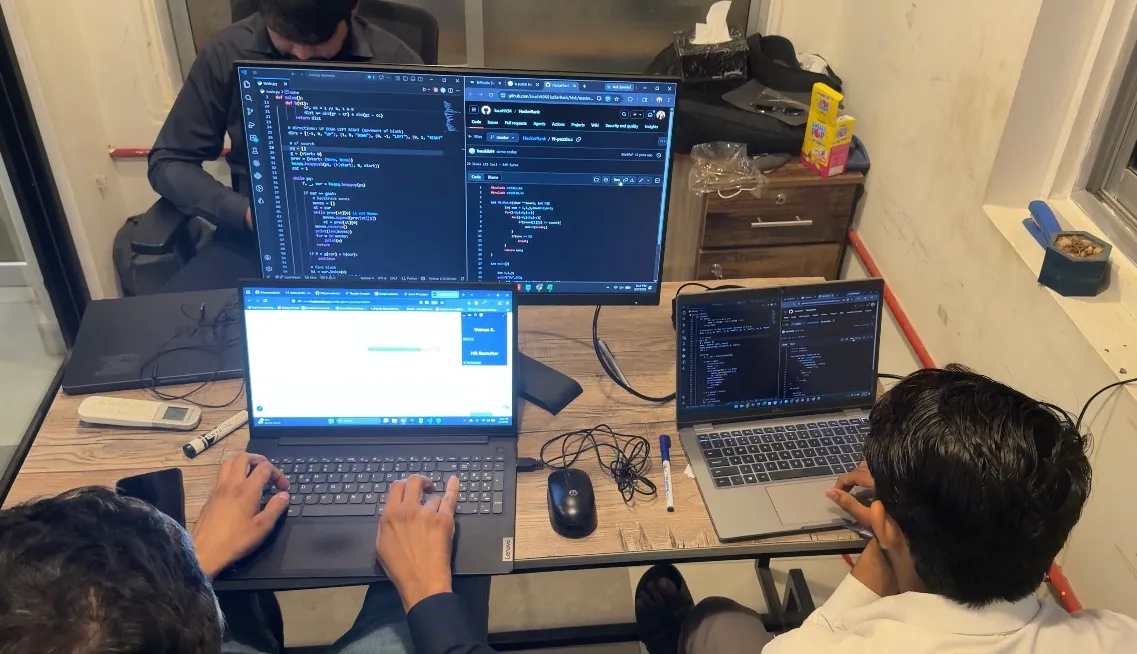
We build on real AI models, plus a setup that pulls answers straight from your own documents. Not the drag and drop builders that look fine until real customers show up. Each one gets shaped around your data, your brand voice, and the way your team works, so the chats stay accurate and on point under real traffic.
50 plus assistants live right now. Real customers. Real tickets. Not demos.
Security from day one, not after. HIPAA, GDPR, GLBA, SOC 2, EU AI Act. Your keys. Your servers if you want. Everything logged.
Working prototype in 2 to 4 weeks. Live in a quarter. Same code from day one to scale. No rebuild.
No vendor lock-in. OpenAI, Anthropic, Google, Mistral, Llama, open-source on your own boxes. Use what fits. Swap when something better shows up.
Account questions, fraud flags, transaction lookups, product info. The assistant handles it. Call center costs drop.
Helps people find products, track orders, sort returns. Better recommendations than the usual ones. Fewer abandoned carts.
HIPAA ready. Books appointments, triages symptoms, handles refills, answers patient questions. Frees up nurses and doctors.
Shipment tracking, warehouse questions, carrier coordination. Dispatchers stop being a human relay. Problems get to the right person faster.
For insurance, the assistant quotes new policies, takes first claim reports, checks on existing claims, and answers policy questions. Customers wait less and your team handles more in a day.
Assistants that book trips, plan itineraries, deal with delays, and treat each guest like a regular. Across your site, your app, and the messenger apps your guests already use.
The assistant sorts the serious buyers from the window shoppers, books test drives and service slots, and answers the spec questions people keep asking. Works across dealer and brand websites.
Assistants that figure out who is serious about buying or renting, book viewings, answer the obvious listing questions, and follow up with the warm ones. Works on listing sites and agency pages.
Inside assistants for IT, HR, and ops. They pull up the right SOP, help when a machine acts up, and get production issues to the right person in seconds, not after a phone call chain.
Assistants take new client intake, sort the real cases from the rest, pull up relevant case law, and handle the questions that get asked every week. Attorneys get back to billable work.
Tutor assistants, admissions helpers, and student support bots. They shape lessons around the student, and answer the same admin questions any time of day or night.
Onboards new users, answers questions inside the app, suggests upgrades. Helps without sending people to a help doc.
Different support teams need different setups. Here is what we build.
Runs on GPT, Claude, the big models. Sounds natural. Remembers context. Works for customer chats or internal use.
Voice in, voice out. Replies come back fast. Phone systems, products, in-app help.
Plugs into Salesforce, HubSpot, SAP, NetSuite. Updates records, pulls numbers, kicks off workflows. Saves a lot of clicks.
WhatsApp, Messenger, Instagram, Slack, Teams. Wherever your customers already are.
Bots built to actually finish things. Place orders, book slots, take payments, renew plans. Good for online shops, fintech, and support flows where the chat needs to do, not just talk.
Bots that pull every answer straight from your own docs, manuals, and policies (this is called RAG). No making things up. Each reply points back to the source, which is what you want for support, FAQs, and anything legal cares about.
The assistant fits into the tools your customers and teams already open. One shared conversation history across the lot, single sign-on, and proper logging for whoever asks.
In the corner of your site. Handles pre-sales questions and basic support. No extra headcount.
WhatsApp, Messenger, Instagram, Slack, Teams. Customers message you in whatever app they had open.
Shopify, Magento, WooCommerce, BigCommerce. Helps with discovery, checkout, returns, and decent recommendations.
Build the assistant into your Android and iOS apps. New users get walked through setup, support questions get handled right inside the app, and it looks like part of your design.
Wire it into Salesforce, HubSpot, Workday, SAP, and ServiceNow. The assistant takes the busy work off your ops team and gives staff and customers one place to ask their questions.
Got your own tools that nobody else has? We hook the assistant into them through secure connections built for the job. Nothing gets ripped out, it just plugs in alongside.
It prices like any other piece of software. What it costs depends on how tricky the conversations get, how many channels you want it on, what it needs to plug into, what rules you have to follow, and how much we shape it to fit your brand and data.
From $10,000
One channel, off the shelf models, built for one job. Handling FAQs, capturing leads, or taking the easy support tickets. Live in 3 to 5 weeks.
From $25,000
Across multiple channels, pulls from your own data, plugs into your CRM and tickets, custom-trained, one secure login, audit trails, and we keep tuning it after launch.
From $60,000
Assistants and voice helpers built to pass HIPAA, GDPR, SOC 2, and EU AI Act. Plus setups where a few agents work together. For healthcare, finance, legal, and the big global companies.
Tell us how your support works today. We will map the quickest path to a conversational AI that takes real weight off your team.
Schedule a CallMulti-tenant AI voice-calling platform automating seller prospecting for Australian real-estate agencies.
AI-powered marketing analytics platform that reduced reporting time by 90% and doubled client capacity.
Full-spectrum market intelligence platform monitoring competitive signals across six data dimensions.
AI-powered personal research assistant for Master's and PhD students.
Conversational AI solution automating customer engagement through WhatsApp in the UAE market.
AI-powered legal consultation platform democratizing access to affordable legal guidance.
The world's first AI platform for legislative drafting and policy research.
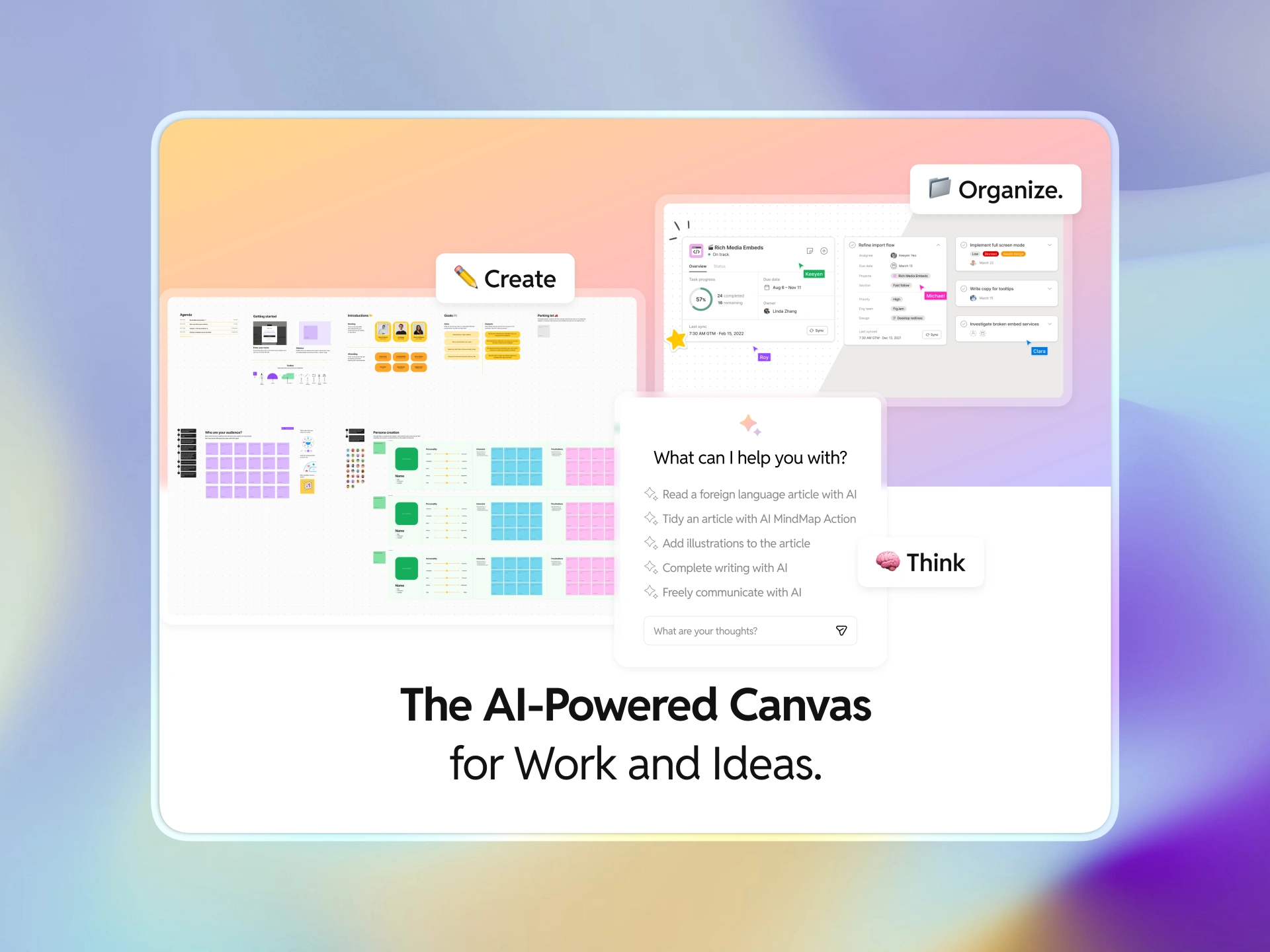
Product marketing deck for YaseenAI's Hive — the AI-powered canvas for work and ideas.

AI support assistant answering dealer install questions in seconds, trained on manuals and years of real tickets.
Straight answers on what it costs, what we cover, how we keep it safe, and what working with us actually looks like.
It is software that talks with your customers like a good support agent would. It reads the question, works out what the person needs, remembers the conversation, pulls the answer from your own data, and replies in plain language. It works over chat, email, voice, and messaging apps, and hands off to a human when a case needs one.
A normal assistant follows a script, so it breaks the moment you go off menu. Conversational AI understands real language, holds a back and forth, and looks answers up in your data instead of guessing. One feels like pressing buttons, the other feels like talking to someone who knows the answer.
It answers the common questions in seconds, at any hour, on every channel. That clears the queue so your team only handles the tricky and sensitive cases. Customers wait less, your agents burn out less, and the same team can support a lot more people without dropping quality.
No, it takes the repetitive load off them. The routine questions get handled on their own, and your people move to the hard cases, the upset customers, and the work that actually needs a human. Every team we build this for keeps their agents and just gives them better days.
Your website, your app, voice calls, WhatsApp, Messenger, SMS, email, and helpdesk widgets like Zendesk or Intercom. One assistant across all of them, and the conversation carries over when a customer switches from chat to phone or back.
It answers from your approved content, your help center, product docs, and past tickets, using a retrieval setup that looks things up before replying. If the answer is not in your material, it says it does not know and hands the customer to a person instead of guessing.
Yes, and this is one of the most important parts. When a case is too sensitive or complex, it passes the customer to a live agent with the full transcript attached. The customer never repeats themselves, and the agent starts with the whole story already in front of them.
Built to HIPAA, GDPR, SOC 2, and the EU AI Act where they apply. Private setups, your own keys, full encryption, personal info scrubbed out, defenses against prompt tricks, role based access, and every conversation logged for audit.
We connect it to Salesforce, Zendesk, Intercom, Freshdesk, ServiceNow, HubSpot, or your custom systems through secure connections built for each one. It reads and updates tickets, checks orders, and logs every chat where your team already works.
Yes, out of the box. English, Spanish, French, German, Arabic, Mandarin, Hindi, Urdu, Portuguese, and more. We tune it for each market so it handles local phrasing, slang, and the way people mix two languages in one sentence.
A focused first version is usually live in a few weeks. Bigger builds that touch many channels and systems take longer, so most teams start on one or two channels, launch, and grow from there once it is proving itself.
You get a senior team that has shipped real support systems, not just demos. Setups that are not locked to one vendor, security built in from day one, and a quick path from prototype to live. You own the code, the prompts, and the data when we hand it over. No lock-in.