Open all night
Patients get worried at midnight, not during office hours. Questions get answered the moment they come in. Three in the morning, weekends, holidays. No extra shifts, no after-hours answering service.
Conversational AI in healthcare that answers patient questions, books visits, and follows up after care, without adding work for your staff. Built around your systems and your privacy rules.
Conversational AI in healthcare is software that talks with patients the way a good front desk person would. Not a phone tree with nine options and a hold queue. It reads the whole question, works out what the patient needs, checks your scheduling and record systems, and replies in plain language. It books visits, answers billing questions, sends reminders, and knows when to hand someone to a nurse or scheduler with the full story attached. We build these systems end to end as part of our conversational AI services. The understanding, the guardrails, the EHR connections, and the tuning after launch. Patient data gets treated with care the whole way through, with PHI controls and audit trails designed in from the start, not bolted on later.
A few parts working together. The assistant understands what the patient is asking, keeps track of the conversation, pulls answers from content your clinical team approved, and shows up on the channels patients already use. Get those parts right and the front desk phone finally stops ringing off the hook.
Patients do not talk in billing codes. They say my chest feels tight, or I need to move my mom's appointment. The assistant picks up what they mean, pulls out the details that matter, and follows the back and forth. Even with typos, mixed languages, or worry in the phrasing, it keeps up.
Multi-Channel Deployment
One assistant on your website, patient portal, SMS, WhatsApp, and phone line. A patient can start on the portal and finish by text without repeating a thing.
Context Management
The assistant remembers the conversation. Who is asking, which visit they mean, what they said two messages ago. Nobody has to repeat their date of birth four times.
Approved Knowledge Only
Connects to your care instructions, policies, and patient FAQs. Answers come from content your clinical team signed off on, not invented.
Clinical Escalation
When a question is urgent or sensitive, it hands the patient to a nurse or scheduler. With the whole transcript. The patient never starts over.
Dashboards. What patients keep asking, where calls pile up, which flows finish and which stall. You look at it and you know what to fix. PHI stays protected in the reporting too.
Six senior-led steps, from scoping your compliance rules to launch and tuning, delivered by the same team behind our conversational AI development services.
Why providers invest in this, and what actually changes once a conversational AI healthcare assistant is live. Lighter phone lines, fewer no-shows, patients who get answers when they are worried, and staff who get their day back. It sits alongside the wider AI solutions for healthcare we build.
Patients get worried at midnight, not during office hours. Questions get answered the moment they come in. Three in the morning, weekends, holidays. No extra shifts, no after-hours answering service.
A big share of calls are scheduling, directions, hours, and billing basics. The assistant takes those. Your front desk handles what is left, and hold times drop for the patients who really need a person.
The assistant knows who it is talking to, within the access rules you set. Their upcoming visit, their care plan, the question they asked last week. Every conversation picks up where the last one ended.
Reminders go out on their own, patients confirm or reschedule by text, and cancelled slots get offered to the waitlist. Empty chairs cost money. This keeps the schedule full without anyone working the phones.
PHI controls, encryption, role based access, and audit trails from the first day. Built to support HIPAA, with BAAs signed where they apply, so your compliance team can review the setup and check every box themselves.
Every conversation tells you something. Which instructions confuse people, which bills raise questions, where patients get stuck before a visit. The analytics surface it so your team can fix the cause, not just the calls.
Senior engineers, builds ready for real patient load, and privacy designed in from day one. Every conversational AI healthcare assistant runs on your systems, under your rules, with the analytics your team needs.
We have spent more than a decade building conversational AI healthcare assistants that run on real models and answer only from content your clinical team approved. Every build is shaped around your workflows and your access rules, so the conversations stay accurate and safe when real patients show up.
Real patients, real conversations, not demos. We have shipped patient chat, scheduling, triage support, and follow-up assistants that carry real load every day.
We build the demo on the same foundation as the real system, so nothing gets rebuilt between the pilot and launch. Live in a quarter.
One engineering partner behind your patient chat, voice, scheduling, and follow-up. Swap the model or channel as you need.
Every project starts with PHI controls, encryption, role based access, and audit trails on every conversation. Built to support HIPAA and GDPR, with BAAs signed where they apply, so your compliance team can review the setup and check every box.
OpenAI, Anthropic, Google, Mistral, Llama, or open-source on your own servers. Use what fits your privacy posture, and keep the code, the prompts, and the setup when we hand it over.
From the front desk to the pharmacy queue, these are the jobs a conversational AI healthcare assistant takes on, so your staff can spend their time on the patients who need a person.
New patients answer intake questions by chat before they arrive. History, insurance details, consent forms. The visit starts on time and nobody fills out a clipboard in the waiting room.
Patients book, move, or cancel visits by chat or text, any hour. The assistant checks real availability in your system and confirms on the spot. Reminders go out on their own.
The assistant asks structured questions about symptoms and routes people to the right level of care. It never diagnoses. Anything urgent goes straight to a nurse or emergency guidance, fast.
What does this charge mean, why did my copay change, can I set up a payment plan. The assistant explains statements in plain language and takes payments, so billing staff stop repeating themselves.
Refill nudges, dose reminders, and quick check-ins on how a new prescription is going. Patients stay on track, and refill requests land in the right pharmacy workflow without a phone call.
Clinicians ask for protocols, formulary details, and internal policies in plain language and get the answer with the source attached. No digging through shared drives between patients.
After a procedure, the assistant checks in. How is the pain, any fever, did you fill the prescription. Worrying answers get flagged to the care team before they turn into readmissions.
Is this covered, is this provider in network, where is my prior authorization. The assistant checks eligibility and status so patients get answers in minutes instead of waiting on hold.
Multi-tenant AI voice-calling platform automating seller prospecting for Australian real-estate agencies.
AI-powered marketing analytics platform that reduced reporting time by 90% and doubled client capacity.
Full-spectrum market intelligence platform monitoring competitive signals across six data dimensions.
AI-powered personal research assistant for Master's and PhD students.
Conversational AI solution automating customer engagement through WhatsApp in the UAE market.
AI-powered legal consultation platform democratizing access to affordable legal guidance.
The world's first AI platform for legislative drafting and policy research.
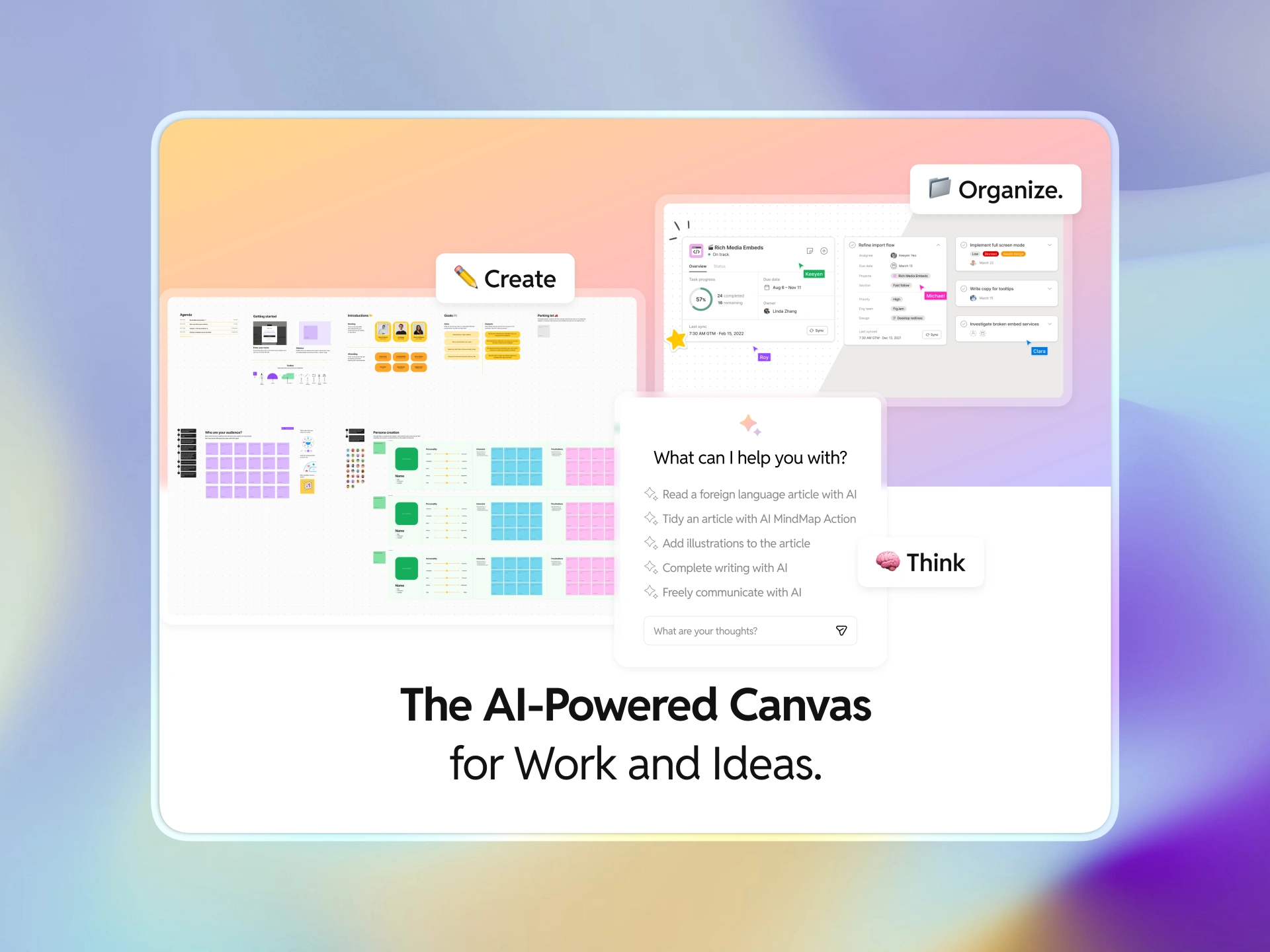
Product marketing deck for YaseenAI's Hive — the AI-powered canvas for work and ideas.

AI support assistant answering dealer install questions in seconds, trained on manuals and years of real tickets.
Tell us how patients reach you today. We will map the quickest path to an assistant that takes real weight off your front desk and your care team.
Schedule a CallStraight answers on what it costs, how patient data is handled, what the assistant will and will not do, and what working with us looks like.
It is software that talks with patients the way a good front desk person would. It reads the question, works out what the patient needs, checks your scheduling and record systems, and replies in plain language. It books visits, answers billing questions, sends reminders, and hands the conversation to a nurse or scheduler when a case needs a person.
Lighter phone lines, fewer no-shows, and answers for patients at any hour. The routine calls get handled on their own, so your staff spends their time on the patients who need a person. Reminders and waitlist backfills keep the schedule full, and the analytics show you which instructions and bills keep confusing people.
Yes, conversational AI in healthcare can be built to support HIPAA compliance. That means BAAs signed with every vendor that touches patient data, encryption in transit and at rest, PHI kept out of model training, role based access, and audit trails on every conversation. We build those controls in from the first day and hand your compliance team the evidence to review. We do not make legal promises, we build the setup and show you exactly how it works.
No, it does not give medical advice or diagnose anyone. We set hard limits on what it can say. It shares approved care instructions, asks structured triage questions, and routes anything clinical to your care team. If a patient describes something urgent, it escalates right away instead of chatting on.
No, it will not replace your front desk or your nurses. It takes the repeat calls off them. Scheduling, directions, refill requests, billing basics. Your people keep the conversations that need judgment, empathy, and clinical training, and they get to have those conversations without a ringing phone in the background.
Yes, it can book, move, and cancel appointments directly in your EHR or practice management system. We connect through standard interfaces like FHIR or the vendor APIs, with access limited to exactly what the assistant needs. The patient gets a confirmation on the spot, and your schedule stays the single source of truth.
The assistant stops the normal flow and escalates. Depending on your rules, that means directing the patient to emergency services, connecting them to a nurse line, or paging your on-call team, with the transcript attached. We design these triggers with your clinical staff and test them hard before launch, because this is the one flow that has to work every time.
A focused first version, like scheduling and FAQs on one channel, is usually live in four to six weeks. Builds that touch the EHR and carry PHI take longer because integration and compliance review add real steps. Most providers start small, launch, and grow the scope once the assistant is proving itself.