
AIforUniversityAccreditationReports:AccrediFlow
AUSlegalserviceproviderhelpsuniversitiesthroughaccreditation,aprocessfulloflongwrittenreports.WeaddedanAIlayertotheirwebplatformthatwritesthosereportsfromtheuniversity'sownevidencefilesandciteseverysource.Preparationtimedroppedby90%.
Who is the client and what did they need?
The client is a US legal service provider that guides educational institutions through the accreditation process. To get accredited, a university has to hand in a large set of documents plus written explanations called narratives. Each narrative shows how the university meets one specific academic standard.
Writing narratives is usually manual work. It takes a long time, and two writers rarely produce the same quality, so the reports end up uneven.
The client already had an internal web platform for managing the document workflow. What they did not have was the technical skill to put AI inside it. They wanted narratives to be written automatically from the evidence files that universities provide, and they came to Xpiderz to build it. We call the AI layer AccrediFlow.
What did we need to build, and what made it hard?
Our role was to bring AI and machine learning into the platform, so documents get prepared faster and accreditation reports come out more consistent. Two things made that hard.
- Many formats. The architecture had to scale and handle different document types and several accreditation formats, while still meeting regulatory and operational needs.
- AI that stays predictable. Generative models can give a different answer each time, and that does not suit a regulated process like accreditation. We put special care into tuning the AI output so it is consistent, traceable, and in line with academic standards.
How does AccrediFlow work?
We did not replace the client's system. We added to it. Our team delivered AI functions that write accreditation narratives automatically and make each step of the workflow smoother.
The AI layer is built on AWS, which matched the cloud setup the client already had. That made the integration smooth, and the client gets the scalability, security, and high availability of AWS. The AI pieces plug straight into the existing web platform, so users meet the new features in a tool they already know.
The platform now offers six features that run on the AI layer:
-
Smart Document Upload
Users upload PDF, Word, and Excel files that hold the institution's data. The system processes the content on its own and stores it securely for analysis.
-
Built-In Standards Navigator
Users pick the standard they are working on from a built-in library of accreditation standards. Each one comes with a clear description and instructions, so it is easy to aim at the right criteria.
-
AI Narratives With Cited Evidence
With one click, the user gets a structured narrative. Every claim is backed by references that are cited automatically from the uploaded files. The output is fast, believable, and lined up with the standard.
-
Live Editor
Users review, adjust, and approve the AI text inside a simple editor. Revisions no longer bounce between tools.
-
Export-Ready Reports
Finished narratives can be exported and dropped into accreditation reports with very little manual formatting.
-
Full Edit History and Compliance Logs
The system records every version and every edit of each narrative. You can see what changed, when, and who changed it, which is what audits and compliance checks ask for.
What technology is under the hood?
- LLMs on AWS Bedrock write the narratives, turning raw evidence into structured text that follows the standard.
- RAG combines document retrieval with LLM writing, so the output is accurate and fits the context.
- Semantic chunking and embeddings split documents into meaningful pieces and turn them into vectors, which builds a searchable knowledge base.
- Amazon Aurora with PGVector stores the knowledge base and metadata, and runs fast semantic search to find the most relevant pieces.
- AWS Textract pulls text out of the different document formats so nothing relevant is missed.
- SageMaker with a second LLM is used to build and debug the preprocessing pipelines and to grade generated narratives automatically.
- LangChain, Lambda, S3, and boto3 tie it together: workflow orchestration, serverless back-end logic, secure storage of originals and outputs, and the links between all AWS services.
Measured Results
What do the numbers say?
What changed for the people who prepare accreditation reports.
What did the client get out of it?
The upgraded platform cuts the time and effort of writing a narrative from hours of manual work to a few minutes per standard.
- A smoother process. Document handling and narrative writing now happen in one flow.
- Reliable quality. The outputs match what accreditors expect to see.
- Full traceability. Narratives link back to their evidence, so anyone can check where a claim came from.
- Room to grow. The design can take on new accreditation frameworks and larger document volumes as the client expands.
What happens next?
The partnership continues. The next development phases will add AI analysis of video and image files to widen the evidence base, automatic charts and graphs to show key metrics, and even better narratives using compliance models made for this specific field.
Want AI inside the platform you already have?
Tell us what your team still writes by hand. We reply within 48 hours, and everything you share stays confidential.
K2X Auto
Multi-tenant AI voice-calling platform automating seller prospecting for Australian real-estate agencies.
InsightsBot
AI-powered marketing analytics platform that reduced reporting time by 90% and doubled client capacity.
Harbinger AI
Full-spectrum market intelligence platform monitoring competitive signals across six data dimensions.
Sokrateque
AI-powered personal research assistant for Master's and PhD students.
Eona
Conversational AI solution automating customer engagement through WhatsApp in the UAE market.
INPRO AI Legal
AI-powered legal consultation platform democratizing access to affordable legal guidance.
LAWEP
The world's first AI platform for legislative drafting and policy research.
Hive AI
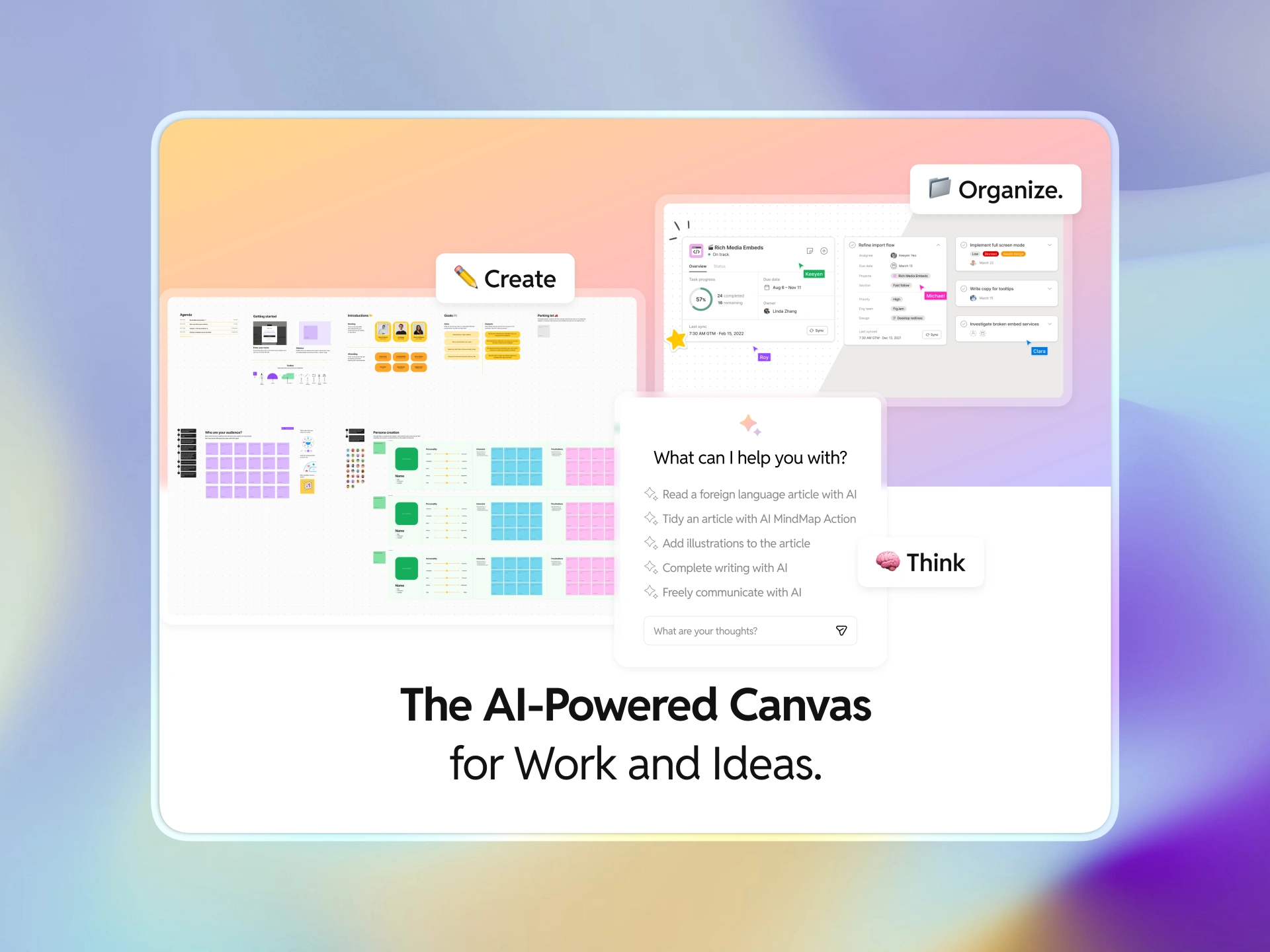
Product marketing deck for YaseenAI's Hive — the AI-powered canvas for work and ideas.

DealerDesk
AI support assistant answering dealer install questions in seconds, trained on manuals and years of real tickets.

TalentLoop
Cloud-native recruitment CRM unifying matching, scheduling, placements, payroll, and invoicing for a US staffing agency.

CareGraph
HIPAA-compliant multi-agent clinical assistant giving clinicians patient data and guideline suggestions inside the EHR workflow.

ThreadMind
Agentic RAG chatbot turning years of scattered Slack logs into a secure, searchable corporate brain for an EdTech company.

FormSense
AI document engine reading patient enrollment forms from any manufacturer, cutting processing time by 90% for a US healthcare tech provider.

HazardLens
AI hazard detection reading camera images from elderly care facilities and flagging risks like water spills with 98% accuracy.

DeskMate
Secure AI support assistant answering employee questions inside Google Workspace, making ticket resolution 70% faster for a US technology enterprise.

OmniSeek
All-in-one AI search engine for a healthtech enterprise, searching SQL data, documents, and images in plain English with 90% better relevance.

ModelForge
Central AI experimentation platform for a US customer service tech company, making prototyping 40% faster and deployment to production 50% faster.

MindHaven
AI chatbot giving 24/7 mental health support for a US wellness startup, reaching 1000+ users in its first few days after launch.

TrackPilot
AI voice assistant letting musicians control their studio software by voice and text. The MVP raised investor interest by 65% for a music production startup.