
AIAgentsforHealthcare:CareGraph
AHIPAA-compliant,multi-agentclinicalassistantforaUSwomen'shealthstartup.CareGraphsitsbetweentheclinicianandtheEHR,answeringquestionsaboutpatienthistory,surfacingcuratedresearch,andmatchingpatientsagainstclinicalguidelinesatthepointofcare.
Business Overview
The client, a US-based healthcare startup, builds technical support for clinicians in the gynecological sector. They saw two things clearly: women's health gets far less attention than it deserves, and clinicians increasingly need fast, data-driven decision support at the point of care.
Their answer was an AI-powered web application that plugs into existing electronic health record systems, with an intelligent chat at its core giving clinicians real-time patient data, curated medical research, and current clinical protocols mid-consultation. To take the idea from research to a real product, they needed extra capacity and deep AI engineering experience in a heavily regulated industry, which is where Xpiderz came in.
Challenge
An AI application is only as good as the data it stands on, and here the data was the problem. Patient information sat scattered across the EHR, and those gaps threatened to drag down the model's performance before the first clinician ever typed a question.
Closing the gaps meant more than gathering records. We moved the client toward in-house, HIPAA-compliant data hosting with granular control over how every record is processed and validated, so the foundation under the AI is one the client owns and can audit.
Solution
The client arrived with conceptual research and initial ideas. We turned them into a production-ready, HIPAA-compliant application, built from the ground up, deployed on Google Cloud, and integrated with the client's Athena EHR through secure APIs.
The core of the solution is an AI layer between the clinician and the EHR: a set of specialist agents built on LangChain and Google Vertex AI (Gemini), coordinated by an orchestration tool we designed on LangGraph and a Neo4j graph database. That orchestration is what keeps every retrieval and every analysis secure and grounded in factual EHR records.
The multi-agent system consists of four distinct models:
-
Clinical Chat
A dynamic interface where clinicians query the EHR and medical knowledge graphs in natural language, and instantly find a specific piece of patient history or research.
-
Deep Analysis Multi-Agent System
Clinical expert agents, each with their own prompts and tools, analyze the patient's profile from different angles. A final synthesizer agent consolidates and ranks their findings into one holistic view of patient health.
-
Clinical Guideline Agent
Navigates complex protocol graphs using a custom tool ontology, matching the patient's specific profile against standardized medical guidelines to suggest optimal, evidence-based treatment paths.
-
Patient Intake Agent
Engages patients directly to gather symptoms and history, extracting the responses in real time into a standardized format ready for the clinician's immediate review.
ReAct Framework
We built the agents on the ReAct pattern, which supports structured logic, modular expertise, and controlled tool use rather than free-form text generation. Agents can dive deep into a patient's condition, mirror the way a clinician reasons through a diagnosis, and keep their concerns cleanly separated and auditable.
Because ReAct agents work through real tools instead of guessing, hallucination risk drops and factual grounding goes up. The system does more than retrieve data: it turns raw records and reported symptoms into medical intelligence a clinician can act on.
Outcome
The client received a full application with a dual-layered performance model, built to bridge the gap between traditional record-keeping and predictive analytics:
- Standardized clinical interface. Patient data in a familiar, industry-standard format, organized into clear sections and categories, so clinicians navigate complex medical histories without relearning anything.
- AI-powered inference engine. An analytical layer that proactively spots symptoms across the patient data and highlights them, so the most urgent aspects of care get seen first.
Next Steps
The product is in its production and refinement phase, and a select group of clinicians is already using and testing the app in live environments. The next iterations focus on scaling: integrating a broader range of EHR systems and expanding the client's footprint across a wider network of clinics, on the same orchestrated agent architecture.
We came in with research and a conviction that women's health deserves better decision support. What we have now is a working product that clinicians actually open during consultations, and answers that always point back to the record they came from. That grounding is what made our pilot clinicians trust it.
Founder
US Women's Health Startup
K2X Auto
Multi-tenant AI voice-calling platform automating seller prospecting for Australian real-estate agencies.
InsightsBot
AI-powered marketing analytics platform that reduced reporting time by 90% and doubled client capacity.
Harbinger AI
Full-spectrum market intelligence platform monitoring competitive signals across six data dimensions.
Sokrateque
AI-powered personal research assistant for Master's and PhD students.
Eona
Conversational AI solution automating customer engagement through WhatsApp in the UAE market.
INPRO AI Legal
AI-powered legal consultation platform democratizing access to affordable legal guidance.
LAWEP
The world's first AI platform for legislative drafting and policy research.
Hive AI
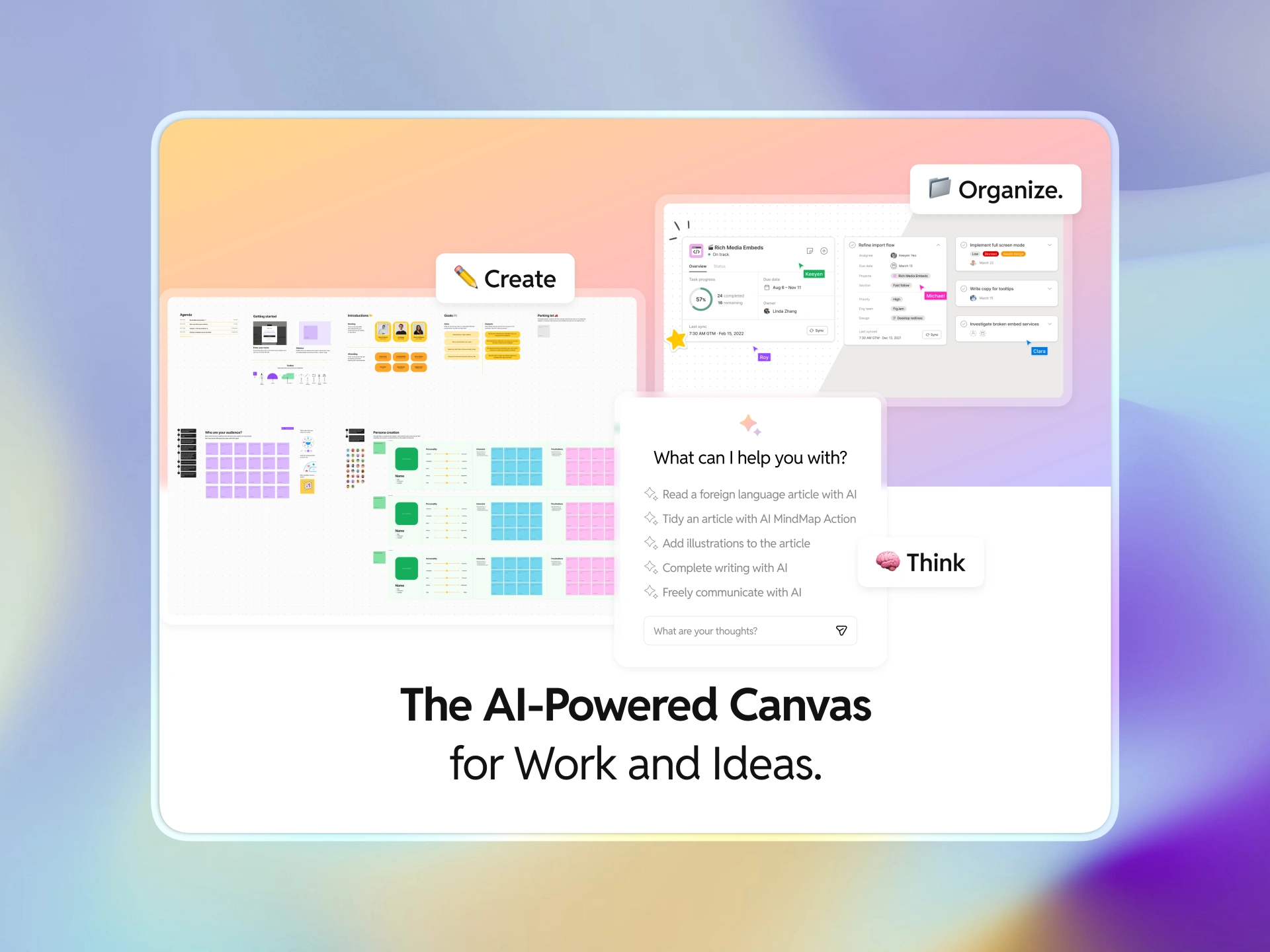
Product marketing deck for YaseenAI's Hive — the AI-powered canvas for work and ideas.

DealerDesk
AI support assistant answering dealer install questions in seconds, trained on manuals and years of real tickets.

TalentLoop
Cloud-native recruitment CRM unifying matching, scheduling, placements, payroll, and invoicing for a US staffing agency.

ThreadMind
Agentic RAG chatbot turning years of scattered Slack logs into a secure, searchable corporate brain for an EdTech company.

FormSense
AI document engine reading patient enrollment forms from any manufacturer, cutting processing time by 90% for a US healthcare tech provider.

HazardLens
AI hazard detection reading camera images from elderly care facilities and flagging risks like water spills with 98% accuracy.

DeskMate
Secure AI support assistant answering employee questions inside Google Workspace, making ticket resolution 70% faster for a US technology enterprise.

OmniSeek
All-in-one AI search engine for a healthtech enterprise, searching SQL data, documents, and images in plain English with 90% better relevance.

ModelForge
Central AI experimentation platform for a US customer service tech company, making prototyping 40% faster and deployment to production 50% faster.