
AIAssistantforAircraftMaintenance:HangarIQ
SkyridgeAviationhadyearsofrepairhistorysittinginitsmaintenancesystem,buttechnicianscouldnotsearchit.WebuiltanAIassistantthatfindspastfixesforsimilarproblemsinsecondsandshowswhereeachanswercamefrom.Techniciansdiagnosefasterandrepeatfewerrepairs.
Who is the client and what did they need?
Skyridge Aviation maintains and repairs aircraft. Every job is logged as a work order in Corridor, the maintenance software the company runs on. Over the years that added up to a huge record of what broke, what was tried, and what finally fixed it.
The trouble was that nobody could use it. A technician facing a fault had no quick way to ask, "Have we seen this before, and what worked?"
Skyridge asked Xpiderz to design and build an AI assistant on top of that history. We call the platform HangarIQ, and the team calls the assistant Sky. It helps technicians prepare, diagnose, and close work orders faster. Phase one is for technicians. Later phases will bring in planners, managers, and customer service, and will grow a knowledge base that belongs to Skyridge.
What made the old way of working hard?
- Messy records. The history in Corridor was free text, written a different way by each person. It was hard to search and harder to reuse.
- No quick lookups. Technicians could not pull up earlier fixes for a similar fault, so they often started from zero.
- Too few mechanics. The industry is short of mechanics, and that put more pressure on turnaround times.
- Knowledge in people's heads. The tricks that experienced technicians knew were never written down in one place, so the same mistakes came back.
The goal was simple to state. Give technicians instant answers they can trust, taken from past work. That should cut diagnosis time, raise the share of jobs fixed right the first time, and reduce repeat repairs.
How does HangarIQ work?
A technician types a question in plain English, the same way they would ask a senior colleague. The assistant searches past work orders, finds the ones that match, and writes an answer. Every answer shows the records it came from, so the technician can open them and check.
It uses two methods together. Retrieval-augmented generation (RAG) handles the written history, such as fault descriptions and repair notes. Text-to-SQL turns a question into a database query when the technician needs hard facts, like part numbers, dates, or how often a fault has shown up.
The assistant runs on desktop, tablet, and phone, because most questions come up on the shop floor and not at a desk. Access is controlled by role, and the data stays inside Skyridge's own cloud.
We delivered the work in four steps:
-
Discovery and Workflow Mapping
We followed how technicians move through a work order and wrote down the questions they ask most. For each question we agreed what a good answer looks like and which data it needs.
-
Data Pipeline and Guardrails
We set up Airflow pipelines that pull data out of Corridor, clean it into a consistent shape, and get it ready for both search and analytics.
-
MVP Development
We shipped a secure assistant on Google Cloud that works on desktop, tablet, and mobile, with role-based access from the first release.
-
Validation Loops
We tested with technicians and managers in rounds. Each round tuned answer accuracy, what the assistant does when it is unsure, and how quick the screens feel on the shop floor.
What technology is under the hood?
- RAG answers questions from the written maintenance history and cites the work orders it used.
- Text-to-SQL pulls structured facts from Cloud SQL when a question needs exact numbers.
- Apache Airflow runs the DAGs that extract, clean, and sync Corridor data on a schedule, so the assistant stays up to date.
- Google Cloud hosts the whole platform, with role-based access and the data kept inside the client's own environment.
- Terraform defines the infrastructure as code, so a new site or environment can be set up the same way every time.
- Central logging and light MLOps keep the system steady and make problems easy to trace.
Measured Results
What do the numbers say?
Early results from the pilot, and the targets the team is working toward.
What did the client get out of it?
Skyridge now has a production-ready assistant that answers technician questions with cited history. It stays in sync with Corridor through automated ETL, and it runs on infrastructure that is simple to operate.
- Faster diagnosis. The right history comes up in seconds, so far less time goes into searching.
- More first-time fixes. Past resolutions show what went wrong before and which steps worked.
- Shared knowledge. What one technician learns becomes searchable for everyone, which cuts repeats and rework.
- Shorter AOG turnaround. Quicker troubleshooting means a grounded aircraft gets back in the air sooner.
- Room to grow. The platform is ready for pricing data and for new roles and sites.
The assistant meets technicians where they work. It uses Corridor, but it also builds a knowledge base that Skyridge owns and that does not depend on any one tool.
What happens next?
Phase one was built for technicians. The next phases open the assistant to planners, managers, and customer service, each with answers that fit their job. Pricing data is next in line, so quotes can draw on real repair history. Along the way, the knowledge base keeps growing with every closed work order.
Is your team's best knowledge stuck in old records?
Tell us where your history lives and who needs answers from it. We reply within 48 hours, and everything you share stays confidential.
K2X Auto
Multi-tenant AI voice-calling platform automating seller prospecting for Australian real-estate agencies.
InsightsBot
AI-powered marketing analytics platform that reduced reporting time by 90% and doubled client capacity.
Harbinger AI
Full-spectrum market intelligence platform monitoring competitive signals across six data dimensions.
Sokrateque
AI-powered personal research assistant for Master's and PhD students.
Eona
Conversational AI solution automating customer engagement through WhatsApp in the UAE market.
INPRO AI Legal
AI-powered legal consultation platform democratizing access to affordable legal guidance.
LAWEP
The world's first AI platform for legislative drafting and policy research.
Hive AI
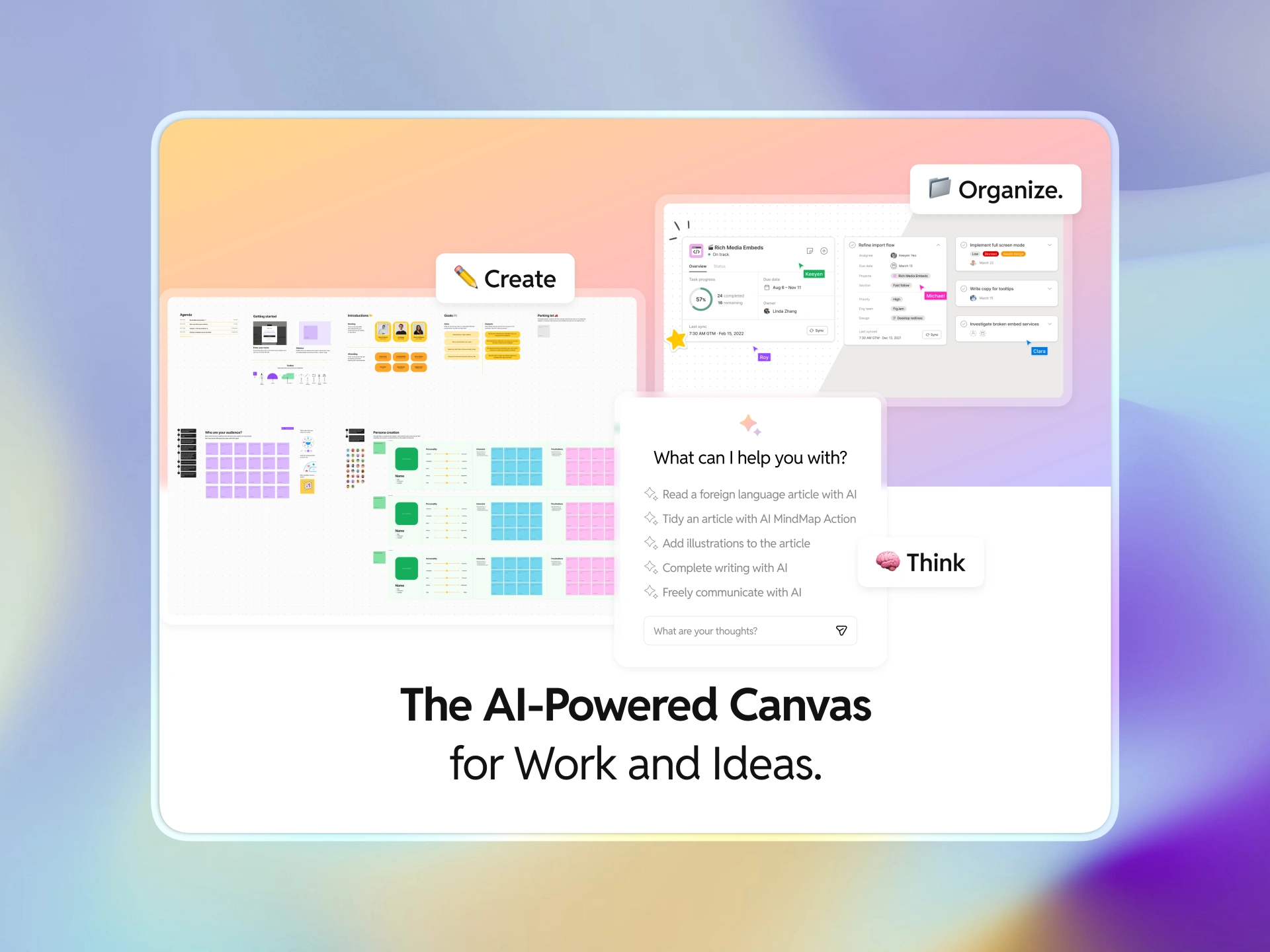
Product marketing deck for YaseenAI's Hive — the AI-powered canvas for work and ideas.

DealerDesk
AI support assistant answering dealer install questions in seconds, trained on manuals and years of real tickets.

TalentLoop
Cloud-native recruitment CRM unifying matching, scheduling, placements, payroll, and invoicing for a US staffing agency.

CareGraph
HIPAA-compliant multi-agent clinical assistant giving clinicians patient data and guideline suggestions inside the EHR workflow.

ThreadMind
Agentic RAG chatbot turning years of scattered Slack logs into a secure, searchable corporate brain for an EdTech company.

FormSense
AI document engine reading patient enrollment forms from any manufacturer, cutting processing time by 90% for a US healthcare tech provider.

HazardLens
AI hazard detection reading camera images from elderly care facilities and flagging risks like water spills with 98% accuracy.

DeskMate
Secure AI support assistant answering employee questions inside Google Workspace, making ticket resolution 70% faster for a US technology enterprise.

OmniSeek
All-in-one AI search engine for a healthtech enterprise, searching SQL data, documents, and images in plain English with 90% better relevance.

ModelForge
Central AI experimentation platform for a US customer service tech company, making prototyping 40% faster and deployment to production 50% faster.

MindHaven
AI chatbot giving 24/7 mental health support for a US wellness startup, reaching 1000+ users in its first few days after launch.

TrackPilot
AI voice assistant letting musicians control their studio software by voice and text. The MVP raised investor interest by 65% for a music production startup.

AccrediFlow
AI layer writing university accreditation narratives from evidence files with every source cited, cutting preparation time by 90% for a US legal service provider.

DealSight
Machine learning underwriting system predicting resale value, rehab cost, and time to sell inside Salesforce, with 31% lower ARV error for a US real estate investor.

HireSignal
AI agent automating job postings, candidate targeting, and ad budgets for a recruitment marketing platform, built with LangChain and RAG on Google Cloud.

ClearRoute
AI strategy engagement turning scattered AI experiments into one prioritized roadmap, with governance and an AI Center of Excellence, for a large US automotive services company.