
AIMentalHealthSupportApp:MindHaven
AUSwellnessstartuphadapromisingchatbotprototypeandneededittobecomearealproduct.WerebuiltitintoMindHaven,anAIappthatgivespeoplementalhealthsupportatanyhourandhandsseriouscasestohumanspecialists.Itreached1000+usersinitsfirstfewdays.
Who is the client and what did they need?
The client is a US startup that wants to automate wellness services and give people psychological support using AI and large language models. Their main idea is a chatbot that listens. A user tells it about a personal conflict or a hard moment, and the chatbot replies with personal guidance and mental support.
With a small in-house team, they had already built a prototype. It got real attention in the industry and won financial backing from AWS.
But a prototype is not a product. To make it better and get it ready for the market, the client needed more technical help. They partnered with Xpiderz for our data science and AI experience. The product we shipped together is MindHaven.
What made this project hard?
Time and money. The startup had a limited budget, and the pressure to show a working product was growing. That left our team a short window for the prompt engineering and for delivering the complete solution.
Even with those limits, we delivered a full product that was ready for the market. It shipped on time and within budget.
How does MindHaven work?
The app is built around check-ins. A check-in is a session that the user starts about an incident, a conflict, or a stressful situation. The user logs in and describes what happened. The app works out the core problem, then gives advice and mental health support that fits that person.
Some situations are too serious for a chatbot. When a check-in looks like one of those, it is passed smoothly to human specialists in the wellness sector.
We built the chatbot with AWS Lambda, CloudWatch, and OpenAI models.
Why did the prototype forget its users?
The biggest problem we had to fix was memory. The prototype could not see a user's earlier sessions or their general profile. The startup simply did not have the technical capacity to build that the first time around. So the chatbot could only answer direct questions. It had no idea about the bigger picture of a person's life.
To fix this, we built a prompt generation service with a REST API. It draws on the user's demographic data, conversation history, and past check-ins. Behind it runs an ETL pipeline that keeps a running summary of each user up to date.
The pipeline runs in three stages:
-
Extract
We pull the user's old summary, their new messages, and their check-ins from the Amazon RDS database.
-
Transform
The LLM reads that data and writes a new, updated summary of the user.
-
Load
The new summary is saved back to RDS, ready for the next conversation.
What else did we improve?
With the pipeline in place, the chatbot writes an accurate summary after each session and talks to every user in a personal way. It can see the wider picture: chat logs, profile data like age and location, and previous check-ins.
- Follow-up questions. If a user leaves a check-in unfinished, the chatbot follows up with questions to help them complete it.
- Caching. Retrieved context is stored, so the bot does not repeat earlier interactions and the whole conversation runs faster.
- Ready for what comes next. We built an extra service that handles integrations, so the client can connect future products.
Measured Results
What do the numbers say?
What happened once the prototype became a product and went live.
What did the client get out of it?
The work ended with the launch of a market-ready product, and it got attention right away.
- Fast early traction. More than 1000 users in the first few days, and 208+ check-ins resolved.
- New investment. The client's idea, backed by solid engineering, brought in substantial new investment and a 30% rise in investor inquiries in the first month.
- A secure future. The funding secured the project and gave the startup room to grow.
Have a prototype that needs to become a product?
Tell us where your build stands today. We reply within 48 hours, and everything you share stays confidential.
K2X Auto
Multi-tenant AI voice-calling platform automating seller prospecting for Australian real-estate agencies.
InsightsBot
AI-powered marketing analytics platform that reduced reporting time by 90% and doubled client capacity.
Harbinger AI
Full-spectrum market intelligence platform monitoring competitive signals across six data dimensions.
Sokrateque
AI-powered personal research assistant for Master's and PhD students.
Eona
Conversational AI solution automating customer engagement through WhatsApp in the UAE market.
INPRO AI Legal
AI-powered legal consultation platform democratizing access to affordable legal guidance.
LAWEP
The world's first AI platform for legislative drafting and policy research.
Hive AI
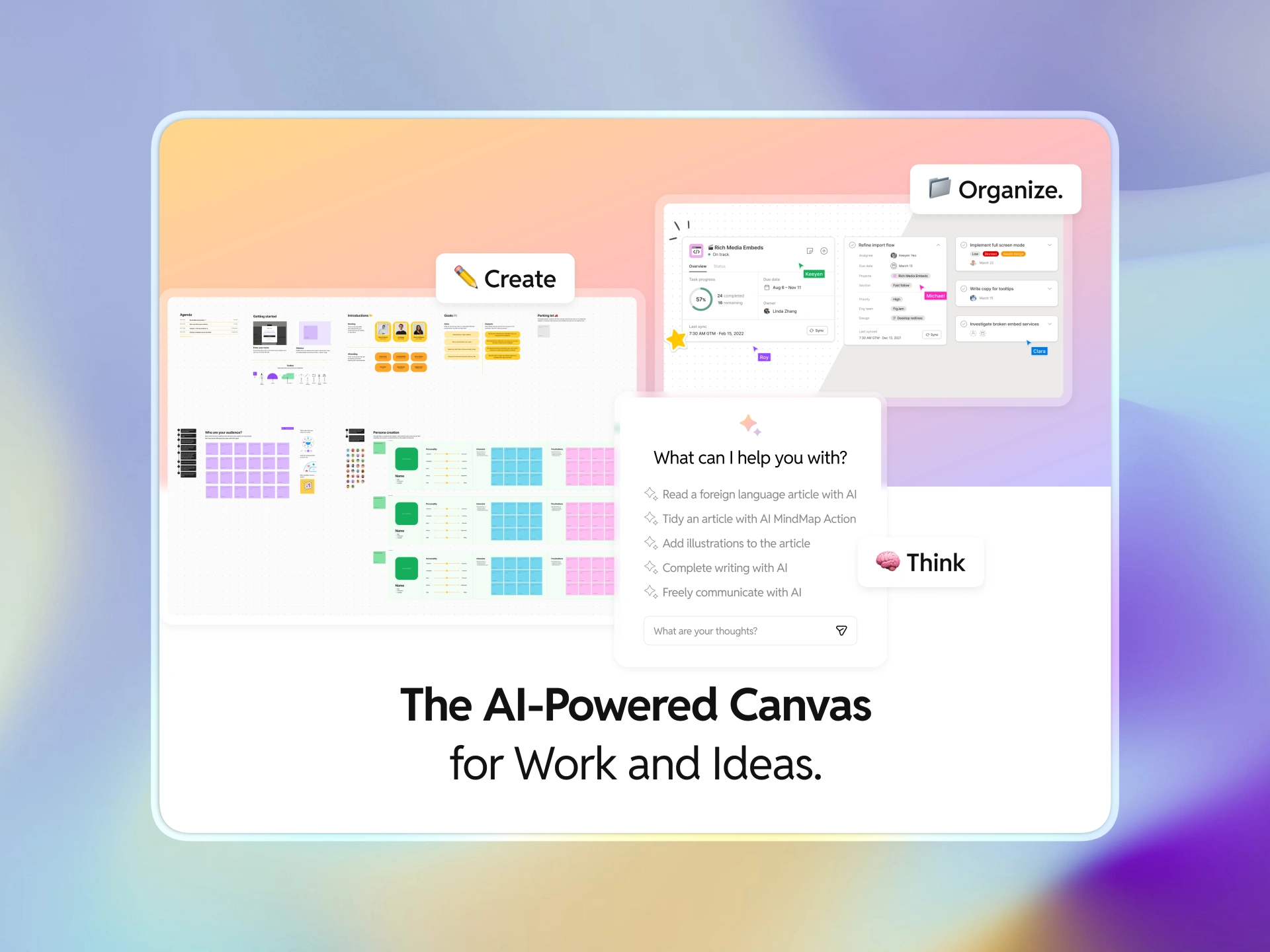
Product marketing deck for YaseenAI's Hive — the AI-powered canvas for work and ideas.

DealerDesk
AI support assistant answering dealer install questions in seconds, trained on manuals and years of real tickets.

TalentLoop
Cloud-native recruitment CRM unifying matching, scheduling, placements, payroll, and invoicing for a US staffing agency.

CareGraph
HIPAA-compliant multi-agent clinical assistant giving clinicians patient data and guideline suggestions inside the EHR workflow.

ThreadMind
Agentic RAG chatbot turning years of scattered Slack logs into a secure, searchable corporate brain for an EdTech company.

FormSense
AI document engine reading patient enrollment forms from any manufacturer, cutting processing time by 90% for a US healthcare tech provider.

HazardLens
AI hazard detection reading camera images from elderly care facilities and flagging risks like water spills with 98% accuracy.

DeskMate
Secure AI support assistant answering employee questions inside Google Workspace, making ticket resolution 70% faster for a US technology enterprise.

OmniSeek
All-in-one AI search engine for a healthtech enterprise, searching SQL data, documents, and images in plain English with 90% better relevance.

ModelForge
Central AI experimentation platform for a US customer service tech company, making prototyping 40% faster and deployment to production 50% faster.

TrackPilot
AI voice assistant letting musicians control their studio software by voice and text. The MVP raised investor interest by 65% for a music production startup.

AccrediFlow
AI layer writing university accreditation narratives from evidence files with every source cited, cutting preparation time by 90% for a US legal service provider.