
AIVoiceAssistantforMusicProduction:TrackPilot
Amusicproductionstartuphadastrongideaandaproofofconcept,butnotenoughhandstofinishit.WerebuilttheappanditsinfrastructureintoTrackPilot,avoiceassistantthatletsmusiciansruntheirstudiosoftwarebytalkingtoit.ThefinishedMVPraisedinvestorinterestby65%.
Who is the client and what is the idea?
The client is a new startup founded by an award-winning music producer with a long career in the industry. The founder put together a team of experts around one goal: make music production simpler with a voice assistant app.
Think of it as a personal assistant for anyone who makes music, from a beginner to an experienced mixer or DJ. It takes over the repetitive parts of the production workflow. You control your music software by voice or by text, and it works with Pro Tools and other digital audio workstations (DAWs).
The idea impressed the industry. It won grants and solid financial support for development.
Where was the project when we joined?
The client's own team had already done a discovery phase and a proof of concept. They tested three important things: how prompts for large language models are received and shown, how a DAW can be controlled by voice and text commands, and how well a JSON request can be recognized as one of five predefined macros.
Then they hit limits. They did not have enough people, some of the technical knowledge was missing, and they had no smooth pipelines for building and shipping. They came to Xpiderz for our Flutter, AI, and DevOps experience. Our job was to refactor the parts their specialists had built and grow the solution into a product ready for the market.
What made this project hard?
The hardest part was the domain itself. Audio recording and playback inside professional music software follow detailed and demanding rules. Our team had to learn how that world works before we could build for it, and that learning curve was longer than on a typical app project.
It was worth the time. An assistant for music creators only helps if it behaves the way a producer expects inside the studio.
How is TrackPilot built?
The back end runs on AWS Fargate. Two databases sit behind it. One manages users and the other keeps action logs. On top is a security layer with monitoring and autoscaling, so the app stays safe and keeps up when more people use it.
All of this infrastructure is fully automated, server management included. Nobody on the client's team has to look after servers by hand. The app itself is built in Flutter, and the AI side uses models from OpenAI and Google Gemini.
Most of the early work went into the Flutter app. Here is what we did:
-
Why Flutter
The client chose Flutter because it is cross-platform. One codebase can be adapted to many platforms, mobile included, and changes to the UI logic stay simple.
-
A Full Refactor First
Our specialist started by refactoring the existing architecture from top to bottom. We built a solid structure that is easy to follow, improved performance, cleaned up the user interface, and fixed the critical bugs.
-
Better Data Flow, Faster Features
The refactor gave the app a strong Flutter architecture and a cleaner data flow. That made new features quicker to build, reduced the chance of new bugs, and made the app work much better on different platforms.
-
Code the Next Team Can Read
The codebase is now clear and easy to maintain. Future improvements are simpler, even for a development team that has never seen the project before.
Measured Results
What do the numbers say?
What the finished MVP changed for the startup.
What did the client get out of it?
The client received a complete MVP, and it did its job.
- Investors noticed. Interest went up by 65% and the project attracted substantial new investment, which sped up its path to market.
- Features ship faster. Key features now reach users 40% sooner, at 46% lower cost.
- The partnership grew. The client liked how we solve problems and decided to keep working with us and expand our team.
What happens next?
The work continues with a bigger team. Together with the client we keep improving what TrackPilot can do and building new features for music creators.
Have a proof of concept that needs to become an MVP?
Tell us where your build stands today. We reply within 48 hours, and everything you share stays confidential.
K2X Auto
Multi-tenant AI voice-calling platform automating seller prospecting for Australian real-estate agencies.
InsightsBot
AI-powered marketing analytics platform that reduced reporting time by 90% and doubled client capacity.
Harbinger AI
Full-spectrum market intelligence platform monitoring competitive signals across six data dimensions.
Sokrateque
AI-powered personal research assistant for Master's and PhD students.
Eona
Conversational AI solution automating customer engagement through WhatsApp in the UAE market.
INPRO AI Legal
AI-powered legal consultation platform democratizing access to affordable legal guidance.
LAWEP
The world's first AI platform for legislative drafting and policy research.
Hive AI
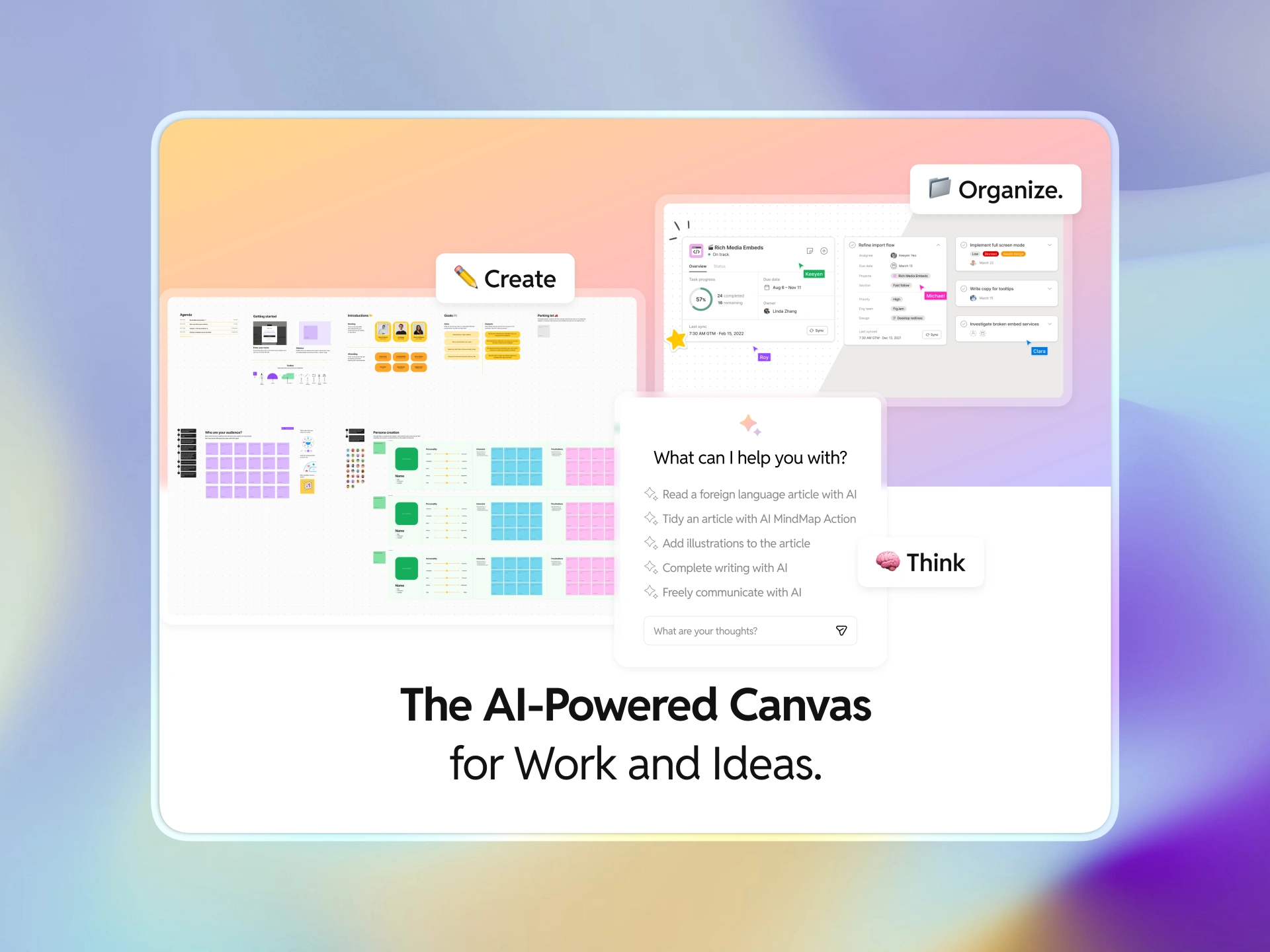
Product marketing deck for YaseenAI's Hive — the AI-powered canvas for work and ideas.

DealerDesk
AI support assistant answering dealer install questions in seconds, trained on manuals and years of real tickets.

TalentLoop
Cloud-native recruitment CRM unifying matching, scheduling, placements, payroll, and invoicing for a US staffing agency.

CareGraph
HIPAA-compliant multi-agent clinical assistant giving clinicians patient data and guideline suggestions inside the EHR workflow.

ThreadMind
Agentic RAG chatbot turning years of scattered Slack logs into a secure, searchable corporate brain for an EdTech company.

FormSense
AI document engine reading patient enrollment forms from any manufacturer, cutting processing time by 90% for a US healthcare tech provider.

HazardLens
AI hazard detection reading camera images from elderly care facilities and flagging risks like water spills with 98% accuracy.

DeskMate
Secure AI support assistant answering employee questions inside Google Workspace, making ticket resolution 70% faster for a US technology enterprise.

OmniSeek
All-in-one AI search engine for a healthtech enterprise, searching SQL data, documents, and images in plain English with 90% better relevance.

ModelForge
Central AI experimentation platform for a US customer service tech company, making prototyping 40% faster and deployment to production 50% faster.

MindHaven
AI chatbot giving 24/7 mental health support for a US wellness startup, reaching 1000+ users in its first few days after launch.

AccrediFlow
AI layer writing university accreditation narratives from evidence files with every source cited, cutting preparation time by 90% for a US legal service provider.